ICC Proposed Rule Changes: Pink Ball in Tests, ODI Coaching & More

Revolutionary Proposals: The ICC’s Vision for Modern Cricket
The International Cricket Council (ICC) is on the verge of introducing some of the most radical rule changes in modern cricket history. Designed to modernize the sport, improve tactical depth, and tackle long-standing logistical challenges, these proposed amendments cover all three primary formats of the game: Test cricket, One-Day Internationals (ODIs), and Twenty20 Internationals (T20Is).
These transformative ideas were recently deliberated during a virtual meeting of the ICC Chief Executives Committee. Prominent figures, including former Indian captain Sourav Ganguly in his capacity as the head of the ICC Cricket Committee, participated in these crucial discussions. A final decision on these proposals is slated to be made during the upcoming ICC Board meeting in Ahmedabad on May 30. If approved, the new playing conditions will officially come into effect starting October 1, ahead of major global cricket events.
Test Cricket: The Red-to-Pink Ball Transition under Lights
One of the most talked-about proposals focuses on the traditional format of the game. The ICC is actively discussing a rule that would allow teams to transition from the traditional red ball to a pink ball during a standard Test match. This contingency plan would be triggered if rain, bad weather, or failing natural light threatens to halt play, requiring the match to proceed under stadium floodlights.
Currently, pink balls are strictly reserved for designated day-night Test matches. Introducing them into regular red-ball Test matches represents a massive shift in playing conditions. However, this transition will not be arbitrary. To maintain competitive fairness, both participating teams must mutually agree to the implementation of this rule before the bilateral series commences. This rule aims to maximize playing time and reduce the number of frustrating draws caused by poor light conditions.
ODI Cricket: Tactical On-Field Coaching Interventions
In another major shift, the ICC is proposing a rule change that directly impacts off-field mentors. Under the current rules governing ODI cricket, only substitute players are permitted to enter the field during designated drinks breaks, while head coaches and support staff must remain outside the boundary ropes.
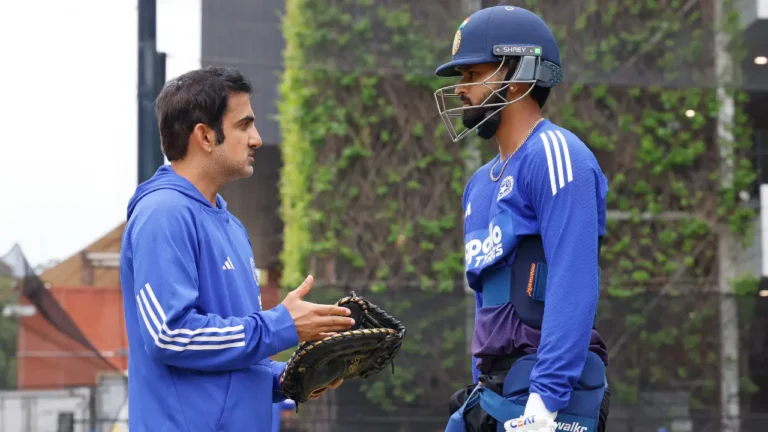
The new proposal seeks to allow head coaches to walk directly onto the playing field during drinks intervals. This will give them a brief window to consult directly with captains and players, offering real-time tactical guidance and strategic adjustments. While this practice is already a staple in T20Is during strategic timeouts, extending it to the 50-over format marks a significant departure from tradition. Details regarding whether coaches will be mandated to wear official team jerseys during these entries are still being finalized, though current rules dictate that anyone entering the field must be in proper team kit.
T20Is: Speeding Up the Game with Shorter Innings Breaks
In the shortest format, the focus is squarely on maintaining high intensity and keeping viewers engaged. The ICC is planning to reduce the innings break in T20Is from the current 20 minutes to just 15 minutes. This five-minute reduction means teams will have less time to rest, analyze the first innings, and formulate their chase strategies.
This move is expected to appeal to broadcasters and fans alike by streamlining the overall match duration. It places a premium on quick decision-making and pre-match planning, as captains and coaching staffs will have to adapt to a much tighter turnaround window between innings.
HawkEye Integration to Detect Illegal Bowling Actions
Beyond tactical and operational adjustments, the ICC is taking steps to tighten its grip on illegal bowling actions. Under a newly proposed technological framework, on-field umpires could soon be granted direct, real-time access to HawkEye technology during matches. This would allow officials to immediately scrutinize bowlers displaying suspicious actions on the spot.
Historically, bowlers with doubtful actions have been reported by officials in a post-match report, followed by formal biomechanical testing at ICC-accredited centers. The proposed live-monitoring system aims to address these concerns during active play. While the exact operational mechanics of this live-review system are still being defined, it underscores the ICC’s commitment to maintaining fairness and policing bowling legality more strictly at the highest level of the game.
What Lies Ahead?
With the ICC Board meeting scheduled for May 30 in Ahmedabad, the global cricket community is eagerly waiting to see which of these proposals receive the official green light. If ratified, cricket fans and players can expect a highly dynamic and technologically advanced era of international cricket beginning this October.

Vivaan Sharma is a senior cricket analyst based in Hyderabad known for his in-depth coverage of IPL strategy, bowling performance metrics, and advanced cricket statistics. He has worked with multiple sports media platforms to deliver analytical content for cricket fans and fantasy league followers.

More Stories