Why Rohit Sharma Is A Complete No Go For Mumbai Indians’ Captaincy? – Why Rohit Sharma Should Not Return as Mumbai Indians Captain
The Captaincy Dilemma at Mumbai Indians
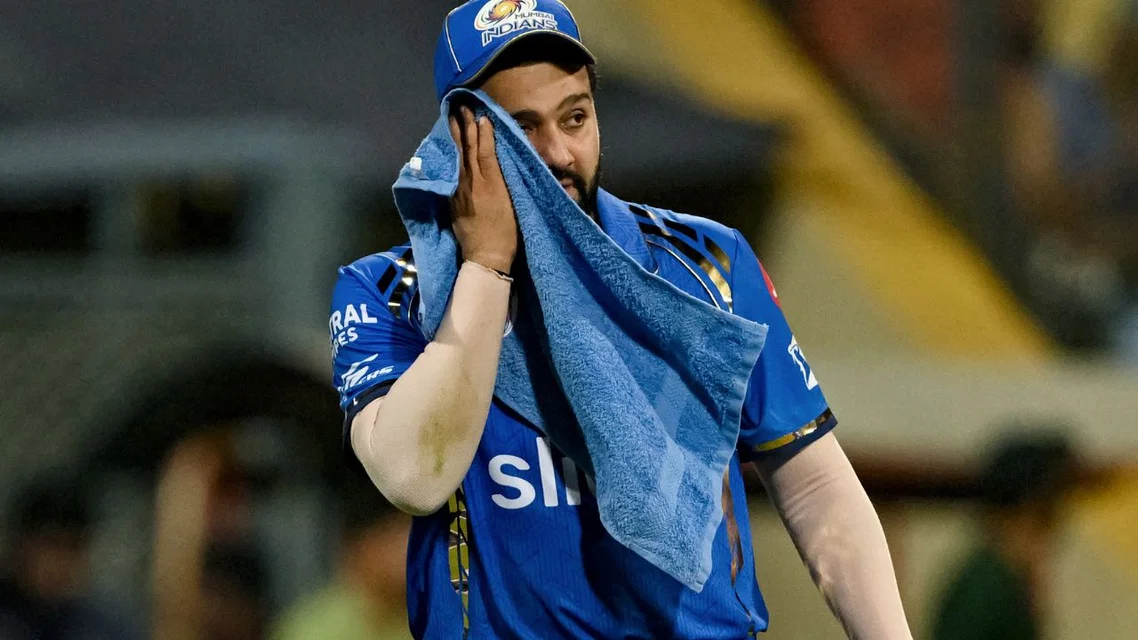
Rohit Sharma is undoubtedly a titan of the Indian Premier League. As the man who transformed the Mumbai Indians into a championship machine, his legacy is etched in gold. However, the world of T20 cricket is notoriously fast-paced, and franchises that prioritize emotional sentiment over strategic planning often find themselves left behind in the modern era.
[Source – AFP]
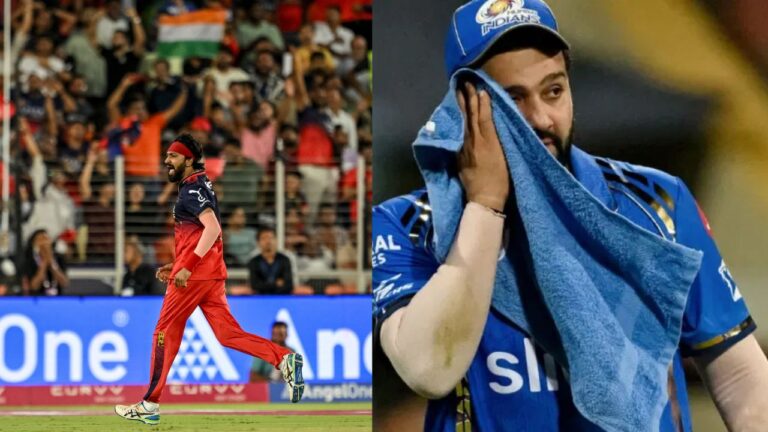
With reports suggesting that Hardik Pandya may not continue as the Mumbai Indians captain, the rumor mill is spinning with calls for Rohit Sharma to reclaim the throne. While the nostalgia is palpable, a cold, hard look at the current state of the team suggests that reinstating the former skipper would be a step backward for a franchise aiming to build a sustainable future.
1. The Batting Decline and Efficiency Concerns
Perhaps the most significant concern is the individual performance of Rohit Sharma as a T20 batter. For nearly a decade, he has struggled to reach his true potential in the IPL. The statistics are sobering: he has yet to record a single 600-run season in his illustrious career. The last time he crossed the 500-run threshold in a single season was back in 2013, an eternity ago in the context of the IPL.
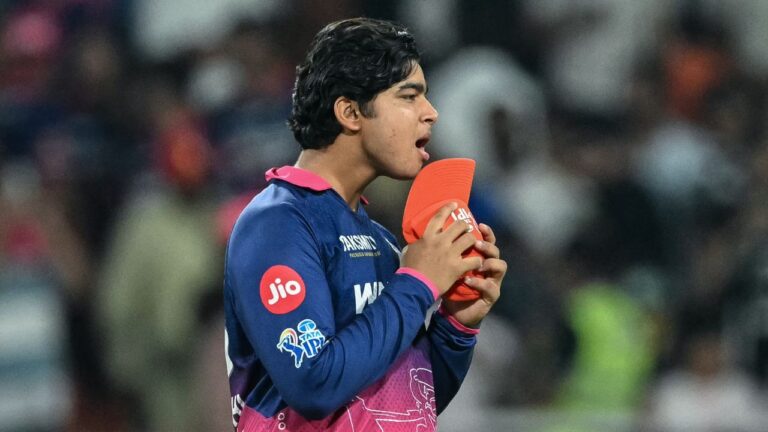
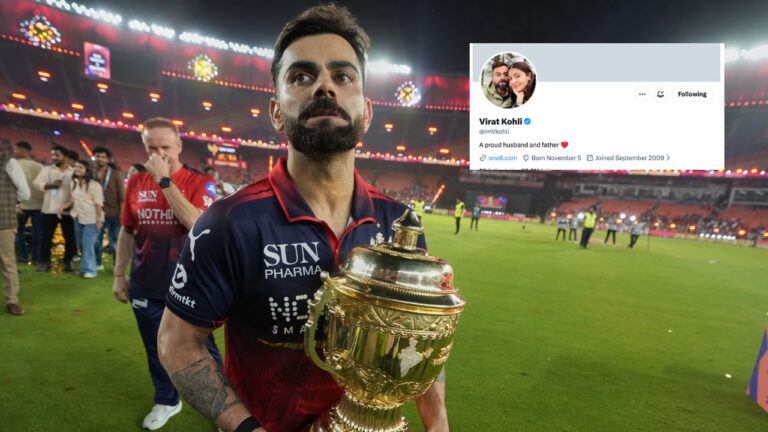
Modern IPL success is built on the foundation of consistent, dominant top-order performances. Look at the current leaders in the league—players like Virat Kohli, Shubman Gill, and young talents like Abhishek Sharma and Vaibhav Sooryavanshi are delivering massive scores with high strike rates. In comparison, Mumbai Indians have not received that level of consistency from Rohit. Furthermore, his strike rate has rarely pushed into the elite category, crossing 150 only once in the last five years. Adding the immense burden of captaincy to a veteran player who is already facing challenges with his batting rhythm could prove disastrous.
2. The Imperative for Long-Term Planning
Mumbai Indians undertook a massive, albeit controversial, leadership transition when they moved from Rohit Sharma to Hardik Pandya. Whether fans supported the move or not, the message from the franchise was clear: they are looking for a younger leadership core to carry them into the next decade. Reverting to a 39-year-old leader—who will turn 40 next year—is fundamentally at odds with the necessity of preparing for the 2028 mega auction cycle.
The franchise requires a captain who can be the face of the team for the next several seasons. By constantly oscillating between older options, the team risks delaying the inevitable transition process. Mumbai Indians built their dynasty through superior forward planning; they identified talent before anyone else and groomed leaders through clear succession paths. Returning to an older captain would be a short-term, emotional bandage rather than the strategic decision required to reclaim their spot at the top of the IPL pyramid.
3. The Recent Captaincy Record
While five trophies under Rohit’s leadership are an incredible achievement, it is vital to remember that the team’s current trophy drought began under his watch. After the title win in 2020, Mumbai Indians failed to secure a trophy in the 2021, 2022, and 2023 seasons. This three-year period marked a decline that cannot be ignored. The struggle became particularly evident as legends like Lasith Malinga and Kieron Pollard moved on, and the team failed to recreate the core dominance that defined their peak years.
While Hardik Pandya’s tenure has also faced challenges, it is crucial to recognize that the structural instability and the struggle to replace key legends began long before the recent captaincy change. Going back to a captain who was part of the initial phase of this six-year trophy drought might not provide the fresh energy or the tactical reinvention that the squad desperately needs. For Mumbai Indians to thrive again, they must focus on identifying the next generation of leadership rather than looking toward the shadows of the past.
Conclusion
Rohit Sharma remains one of the greatest cricketers to have ever played for the Mumbai Indians. His contribution to the history of the sport and the franchise is unquestionable. However, leadership in professional sport is not about rewarding past performance; it is about steering the ship toward future success. A return to the previous regime would only stifle the growth of the team and ignore the structural realities of the current IPL landscape.

Aarav Malhotra is a cricket features writer from Pune specializing in player biographies, IPL season stories, and emerging cricket talents. His content focuses on storytelling-driven sports journalism optimized for modern cricket audiences and search platforms.
More Stories