Ravindra Jadeja At No.4? The Tactical Thinking Behind RR’s Surprise IPL Playoffs – Analyzing Rajasthan Royals’ Tactical Move: Ravindra Jadeja at No.4 vs GT

A Bold Gamble or Calculated Strategy?
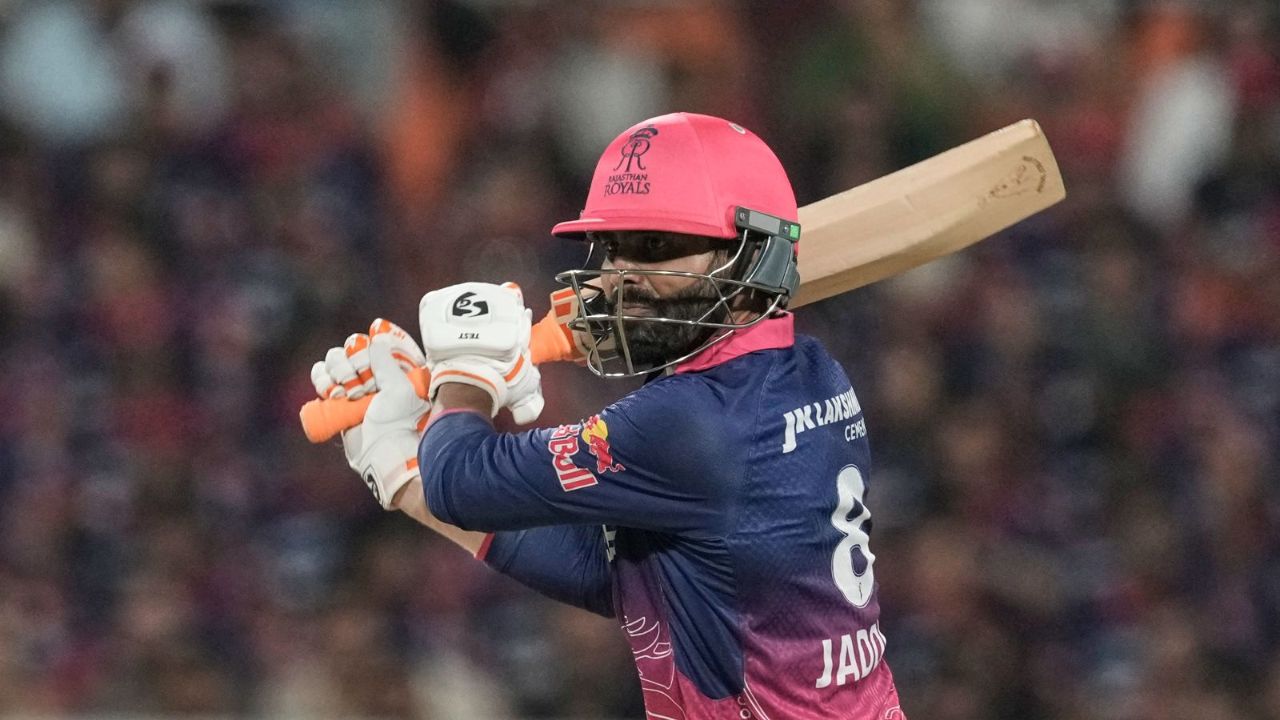
In the high-pressure environment of an IPL Qualifier 2 match, every decision made by team management is scrutinized under a microscope. Rajasthan Royals (RR) provided plenty of fodder for debate when they elected to bat first against the Gujarat Titans (GT) and promptly sent Ravindra Jadeja to the crease at the number four position inside the powerplay. This promotion, which saw him walk out ahead of the team’s regular middle-order batter and captain, Riyan Parag, immediately ignited intense discussion among fans and cricket pundits alike.
The Statistical Case for Jadeja at Four
To those unfamiliar with the deeper analytics of the game, the decision appeared to be a frantic reaction to early setbacks. However, a deeper look at the data suggests otherwise. Ravindra Jadeja’s record when batting at number four is significantly more robust than casual observers might realize. Prior to this knockout clash, Jadeja had accumulated 414 runs in 15 innings while batting at the fourth position. His average of 41.4 paired with a strike rate of 140.82 demonstrates that he is far from a tail-ender; he is a specialist capable of anchoring an innings or accelerating when required. His highest score in this position—an unbeaten 77 off just 45 balls—serves as a testament to his proficiency in the role.
Adapting to Crisis: The Floater Role
In modern T20 cricket, the concept of a ‘floater’ has become essential. Teams recognize that rigid batting orders can often be exploited by specific bowling matchups. By utilizing Jadeja as a floater, Rajasthan Royals aimed to stabilize the innings after losing both Yashasvi Jaiswal and Dhruv Jurel within the first two overs. The pressure exerted by the Gujarat Titans’ formidable new-ball attack demanded a player with the temperament to absorb intensity rather than succumb to it. Jadeja’s vast international experience provided exactly the calm, collected presence needed to navigate such a volatile period.
Protecting the Captain
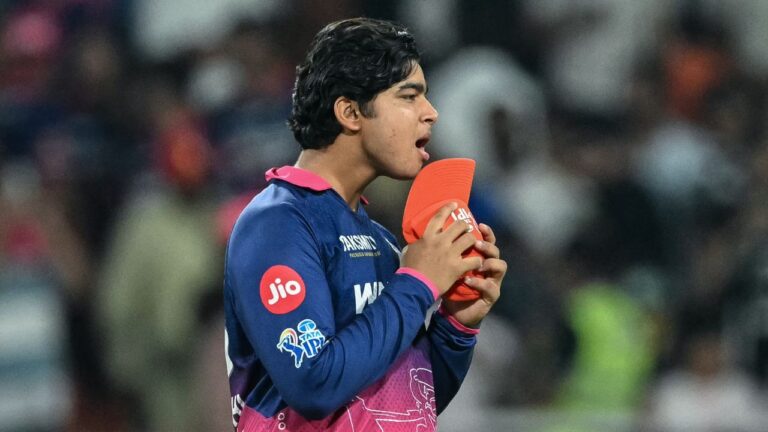
Another crucial element of this tactical maneuver was the physical condition of the Rajasthan Royals captain, Riyan Parag. It is no secret that Parag has been managing fitness concerns throughout the tournament, yet he has continued to lead his side through sheer commitment. Walking out to face a lethal new-ball attack under the duress of a top-order collapse is an immense physical and mental challenge. By delaying Parag’s entry, the team management ensured he could enter the fray when the ball was slightly softer and the conditions were more conducive to his natural game—rotating the strike and attacking the spinners in the middle overs.
Tactical Cohesion Over Conventional Wisdom
While the move deviated from the standard structure that Rajasthan Royals have employed throughout the season, it was not a decision born of chaos. The combination of Jadeja’s proven ability to handle high-pressure scenarios, the tactical necessity to mitigate risk against the GT powerplay threat, and the imperative to protect a struggling captain created a compelling argument for this shift. In the chess match that is T20 cricket, RR chose to prioritize match-up advantages and situational stability over batting order hierarchy. Whether this specific gamble yields the ultimate result or not, it remains a clear example of how modern franchises use analytical depth to navigate the unpredictable landscape of IPL playoffs. Regardless of the outcome, the reasoning underscores a sophisticated approach to in-game management that distinguishes top-tier sides in the tournament.

Vivaan Sharma is a senior cricket analyst based in Hyderabad known for his in-depth coverage of IPL strategy, bowling performance metrics, and advanced cricket statistics. He has worked with multiple sports media platforms to deliver analytical content for cricket fans and fantasy league followers.

More Stories