Arun Dhumal reveals why IPL players were barred from posting reels and chasing s – IPL 2026: Why the BCCI Banned Players from Creating Social Media Content
Prioritizing the Game Over Social Media Trends
As the IPL 2026 season reaches its climactic conclusion, the focus on the cricket field has been matched by a significant tightening of off-field regulations. With the league constantly evolving, the Board of Control for Cricket in India (BCCI) and IPL officials have prioritized the dignity and security of the tournament above all else. A pivotal development in this endeavor has been the introduction of a comprehensive seven-page advisory distributed to all franchises, aimed at curbing the distraction of social media fame among players.
The Stance of the IPL Chairman
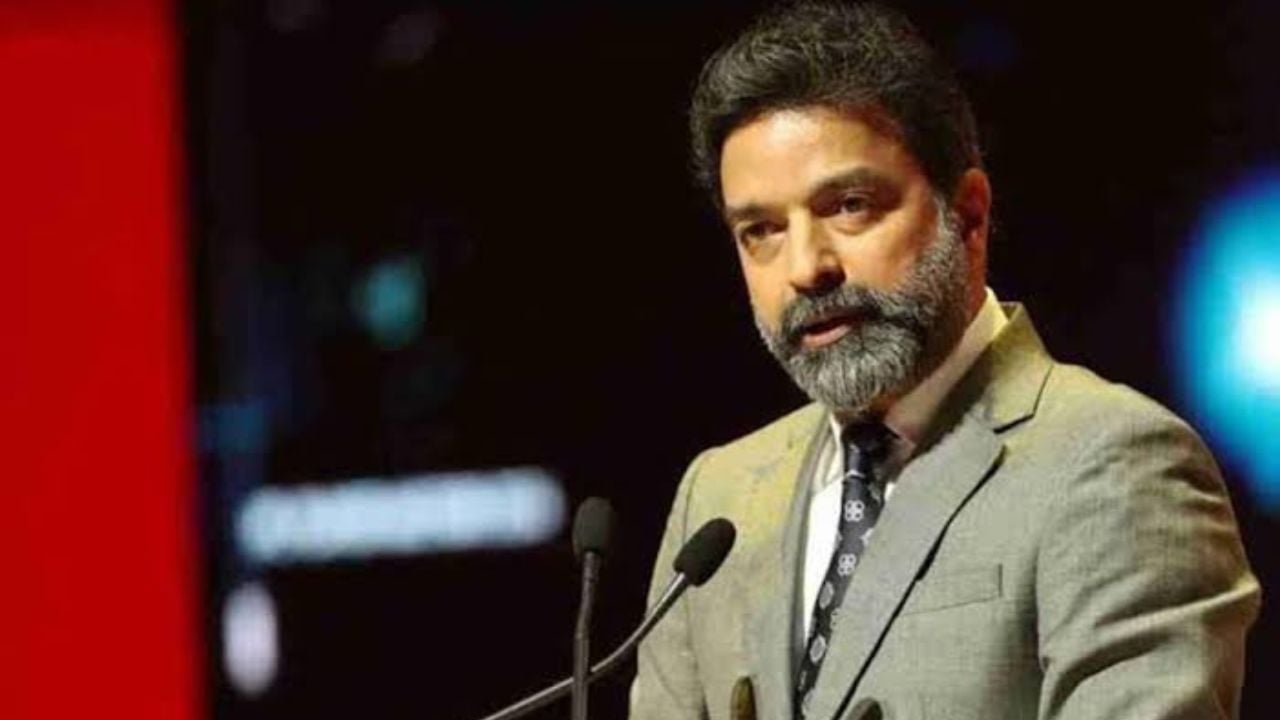
In a recent interview with RevSportz, IPL Chairman Arun Dhumal clarified the rationale behind this regulatory crackdown. According to Dhumal, the boundary between a professional athlete and a content creator had become increasingly blurred, necessitating firm intervention from the governing body. Dhumal emphasized that a cricketer’s primary responsibility is to perform on the pitch, arguing that if a player succeeds in their sport, the media and fans will naturally generate content around them.
“I don’t think cricketers need to be content creators,” Dhumal stated. “The cricketer’s job is to play good cricket. If they do so, there will be enough and more good content created about them. So they don’t need to turn into content creators and start creating reels, shorts, or other posts. It isn’t needed, and a line had to be drawn.”
Addressing the Social Media Phenomenon
The push for these regulations follows instances where players were seen prioritizing social media engagement during the league. A notable example occurred mid-season when Punjab Kings (PBKS) bowler Arshdeep Singh drew attention for his frequent Instagram reels featuring teammates. While popular among fans, such activities raised concerns regarding professional focus and team discipline. Following the issuance of the BCCI’s advisory, such content production has noticeably ceased across the league.
Inside the Seven-Page Advisory
Dhumal clarified that the advisory was not an attempt to introduce draconian new rules, but rather a reinforcement of existing professional standards. The board had observed that several foundational protocols were being overlooked, leading to instances of misconduct that threatened the reputation of the IPL, the franchises, and the BCCI itself.
The advisory highlights the following critical areas of concern:
- Protocol Violations: Incidents involving players, support staff, and team officials that deviated from established tournament norms.
- Reputational Risks: Actions that could potentially harm the standing of the franchise league in the global sporting landscape.
- Security and Liability: Mitigating risks that arise when boundaries are blurred, potentially exposing both individuals and organizations to legal or security-related vulnerabilities.
“Most of the things we have mentioned in the seven-page letter were already there,” Dhumal explained. “Seeing that things weren’t being followed, we needed to reinforce every point. Every franchise and every player has now been reminded what is expected of them.”
Maintaining Professionalism in the Digital Age
The BCCI’s move serves as a stark reminder of the challenges professional sports leagues face in the era of short-form video and influencer culture. While social media provides a bridge between athletes and fans, the governing body is determined to ensure that these platforms do not distract from the competitive spirit that defines the IPL. By drawing this line, the board aims to safeguard the professionalism that has made the league a global powerhouse. As the final match approaches, the focus remains squarely on the cricket, ensuring the sport remains the undisputed highlight of the season.

Rohan Kapoor is a cricket editor and sports content analyst based in New Delhi with over 6 years of experience covering IPL, T20 leagues, and international cricket. He specializes in match analysis, player statistics, and tactical breakdowns, bringing data-driven insights to modern cricket audiences across India.
More Stories