Ravichandran Ashwin Blames PBKS Management for IPL 2026 Qualification Struggles

The Home Venue Dilemma: Ashwin’s Scathing Critique
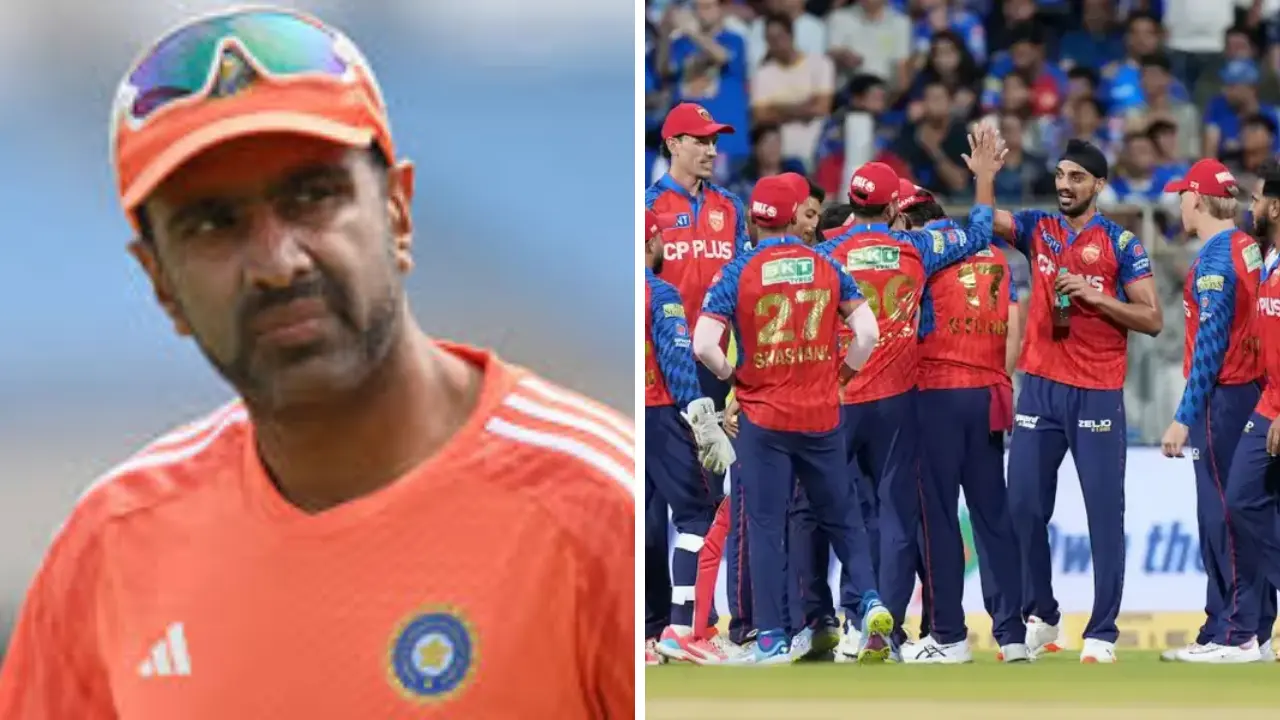
The Punjab Kings (PBKS) currently find themselves in a precarious position during the 2026 Indian Premier League (IPL) season. Once flying high at the top of the points table with a blistering start, the team has hit a wall, suffering a distressing five-match losing streak that has left their postseason aspirations hanging by a thread. Amidst the intense scrutiny surrounding the team’s performance, former PBKS skipper Ravichandran Ashwin has emerged as a vocal critic of the franchise’s strategic decisions, specifically targeting the management’s choice to divide home matches between two distinct locations.
Stability as the Key to Success
In a recent interview, Ashwin drew sharp comparisons between the underachieving Punjab franchise and the league’s most successful organizations: the Kolkata Knight Riders, the Chennai Super Kings, and the Mumbai Indians. Highlighting the pedigree of these champions, who have collectively secured 13 titles over 19 seasons, Ashwin questioned why the Punjab Kings continue to experiment with their home turf.
“Have these teams ever changed their home venue?” Ashwin asked, emphasizing that consistency in playing conditions is a hallmark of elite performance. He pointed out that while critics often point to player form or team composition, the lack of a ‘fortress’—a consistent home ground where players are intimately familiar with the pitch and conditions—creates an unnecessary hurdle for any squad.
The Impact of Venue Instability
During the 2026 season, PBKS opted to split their seven designated home matches, playing four at the Maharaja Yadavindra Singh International Cricket Stadium in Mullanpur and three at the HPCA Stadium in Dharamsala. Ashwin, who led the Punjab outfit in 2018 and 2019, believes this logistical instability has directly hampered the players’ ability to adapt.
He specifically noted the challenges of the Dharamsala surface, where the ball tends to stay low during the first half of the match. “They are not playing in Mullanpur; they are playing in Dharamsala, where the wicket is not that good to bat first on. The ball stays a little low in the first half, so it will take time for them to adapt,” Ashwin explained. According to his analysis, this lack of acclimatization leads to batting performances that fall 20 to 40 runs short of par scores, effectively deciding the outcome of the game before the second innings even begins.
A Critical Juncture for Punjab Kings
The numbers reflect a stark reality: after a strong start involving six wins in their first seven matches, the team has lost three of their recent home-based encounters. As they approach their final league stage games, the path to the playoffs has become narrow and treacherous. The team must win their remaining matches and likely rely on favorable results elsewhere to secure a top-four finish.
The pressure is set to reach a boiling point on May 17, when PBKS hosts the defending champions, Royal Challengers Bengaluru (RCB), at the HPCA Stadium in Dharamsala. This high-stakes clash is a repeat of last year’s final, and the consequences for the home side could be terminal. For RCB, a win guarantees a playoff spot; for PBKS, a sixth consecutive defeat would almost certainly seal their fate and end their 2026 campaign prematurely.
Looking Forward
Ashwin’s assessment serves as a sobering reminder that cricket is often won in the details—the preparation, the familiarity with conditions, and the logistical support provided to the athletes. While the blame for a losing streak is often cast upon the players or the coaching staff, the former skipper highlights that structural decisions from the front office play a monumental role in the final standings. As the season nears its conclusion, the Punjab Kings must overcome both their opponents and their own internal challenges if they hope to salvage their campaign.

Vivaan Sharma is a senior cricket analyst based in Hyderabad known for his in-depth coverage of IPL strategy, bowling performance metrics, and advanced cricket statistics. He has worked with multiple sports media platforms to deliver analytical content for cricket fans and fantasy league followers.

More Stories