Explained: Why KL Rahul is missing the 3rd ODI against Afghanistan – India’s Strategic Rest
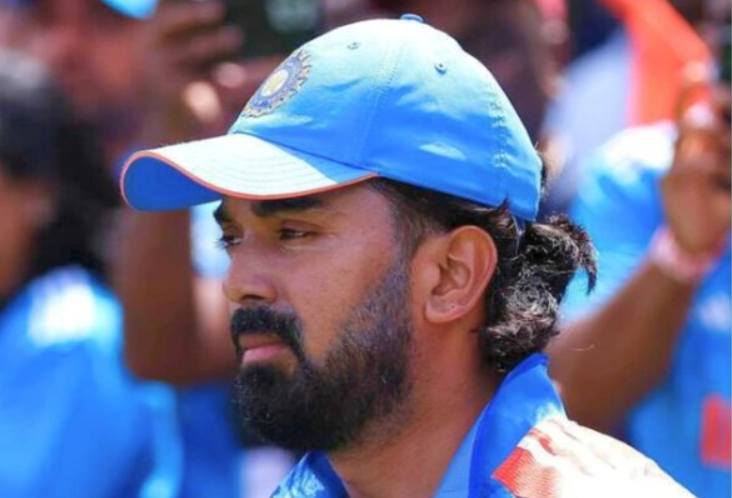
In a strategic move that caught the attention of many cricket enthusiasts, senior wicketkeeper-batter KL Rahul was conspicuously absent from India’s playing XI for the third and final One Day International against Afghanistan at the MA Chidambaram Stadium in Chennai. This decision, however, was not prompted by any injury concerns, which will come as a relief to fans and the team management alike.
Instead, Rahul’s absence is a calculated part of the team’s comprehensive workload management plan. With India having already sealed the three-match ODI series with commanding victories in Dharamshala and Lucknow, the final fixture presented an opportune moment to rotate the squad and provide valuable game time to players waiting in the wings. This proactive approach underscores the Indian team’s commitment to preserving the fitness and longevity of its key assets amidst a demanding international calendar.
Captain Shubman Gill confirmed several changes at the toss, where Afghanistan opted to bowl first. Among these adjustments was the reintroduction of all-rounder Nitish Kumar Reddy, while KL Rahul was afforded a well-deserved break. This strategic rotation aligns perfectly with the hints dropped by assistant coach Ryan ten Doeschate prior to the match, suggesting that India intended to experiment with their combination. The coaching staff’s primary objective was to ensure a wider pool of players gained essential match experience, rather than solely relying on a fixed playing XI throughout the series.
The modern cricketing landscape, characterized by a packed international schedule across multiple formats, necessitates meticulous workload management for senior players. For a multi-format stalwart like KL Rahul, who often shoulders responsibilities both with the bat and behind the stumps, regular breaks are paramount. Since the series outcome was already decided, the third ODI served as an ideal platform to test the team’s bench strength and assess potential options for future assignments, particularly those involving more challenging opponents.
Rahul’s performances in the initial two matches of the series were a mixed bag. In the series opener at Dharamshala, he displayed his formidable hitting prowess, smashing a quickfire unbeaten 39 runs off just 19 balls to expertly finish the chase. However, he failed to replicate that impact in Lucknow, succumbing to a golden duck. Despite this isolated poor outing, his overall importance to India’s ODI setup remains undiminished. He has consistently proven his mettle as one of India’s most dependable middle-order batters in the 50-over format over recent years.
His calm demeanor under pressure, coupled with an innate ability to accelerate the scoring rate when the situation demands, and his valuable experience as a wicketkeeper, solidify his position as a crucial component of the squad. The decision to rest him, therefore, is not a reflection of his form but rather a strategic investment in his long-term availability and peak performance.
The changes also saw Nitish Kumar Reddy return to bolster India’s balance, offering an additional seam-bowling option and crucial batting depth in the lower middle order. Furthermore, the inclusion of Prasidh Krishna and Harsh Dubey showcased the team’s ongoing process of evaluating its squad before embarking on tougher international assignments later in the year. These opportunities are vital for emerging talents to prove their capabilities on the international stage.
Speaking at the toss, Captain Gill acknowledged that India would have preferred to bat first. However, he also emphasized that chasing would present another valuable challenge for the team. With the immediate pressure of the series result alleviated, India now possesses a golden opportunity to thoroughly evaluate fresh faces, fine-tune their strategies, and maintain their winning momentum as they prepare for a busy and demanding international season ahead. The judicious management of player resources, as exemplified by KL Rahul’s rest, is a cornerstone of this forward-thinking approach.
KL Rahul. (Credits: X.com)

Aarav Malhotra is a cricket features writer from Pune specializing in player biographies, IPL season stories, and emerging cricket talents. His content focuses on storytelling-driven sports journalism optimized for modern cricket audiences and search platforms.
More Stories