Sachin Tendulkar suggests radical changes to make IPL competitive
A Call for Strategic Evolution in the IPL
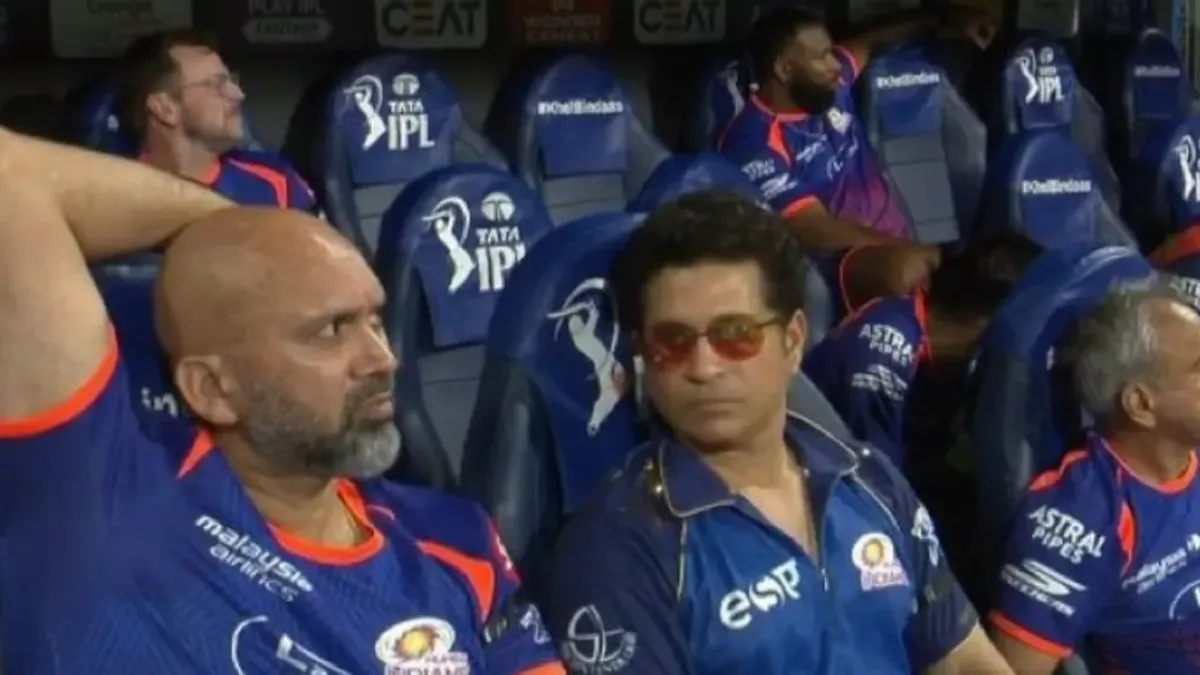
The Indian Premier League (IPL) has undoubtedly transformed the landscape of modern cricket, but legends of the game are now scrutinizing its structure to ensure long-term sustainability and excitement. Recently, at the ESPN Cricinfo award show, batting legend Sachin Tendulkar shared his insights on how the tournament can be improved. With a keen eye on the current state of play, Sachin Tendulkar suggests radical changes to make IPL competitive, arguing that some modern adjustments have skewed the game too far in favor of batting sides.
The Impact Player Rule Under Fire
Perhaps the most significant of Tendulkar’s proposals concerns the ‘Impact Player’ rule. Since its introduction, this rule has been a subject of intense debate among experts, players, and fans alike. Tendulkar, speaking with the authority of someone who has mastered all formats, did not mince his words. He stated, “On a personal note, I can say, the impact player rule needs to be done away with.”
His rationale is grounded in the fundamental balance of the T20 format. Tendulkar pointed out that in a game restricted to 20 overs, introducing an additional specialist batter creates an inherent imbalance. The rule essentially allows teams to extend their batting depth, often negating the pressure that a top-order collapse should rightfully impose. His concerns are echoed by active players, including Delhi Capitals skipper Axar Patel, who has noted that the role of the all-rounder is significantly diminished when the 12th man—either a dedicated bowler or a specialist batter—can be swapped in seamlessly. This dilution of roles, according to critics, takes away the strategic necessity of having versatile cricketers in the starting eleven.
Revamping the Powerplay Dynamics
Beyond the Impact Player rule, Tendulkar proposed a tactical shift in how powerplay overs are utilized. Currently, the powerplay is restricted to the first six overs, which often dictates the entire momentum of the game. Tendulkar suggests a more dynamic approach: splitting the powerplay into two distinct segments.
His proposal envisions four overs of traditional powerplay, where only two fielders are allowed outside the 30-yard circle. The remaining two overs would be flexible, allowing the fielding captain to choose when to deploy them during the middle or death overs, albeit with three fielders allowed outside the ring. This change would shift the tactical burden onto the captains, forcing them to think on their feet rather than adhering to a rigid start-of-innings script. By introducing this flexibility, the IPL could witness a more strategic middle-overs phase, keeping the crowd engaged throughout the entire 20-over duration.
Empowering the Bowlers
Tendulkar’s final major suggestion aims to provide bowlers with more influence over the match outcome. Currently, a bowler is limited to a maximum of four overs in a T20 match. Tendulkar believes that extending this limit for one bowler would enhance the quality of the spectacle. “One bowler can be asked to bowl five overs, invariably because the best bowler will be bowling that extra over,” he explained during the event.
His argument is simple yet compelling: if top-tier batters are expected to anchor the innings for the entire duration of 20 overs, why should the premier bowlers not be allowed to have a greater impact? By allowing a team to entrust five overs to their best performer, the IPL could see more high-stakes duels between the world’s best strikers and the most effective wicket-takers. It adds a layer of depth to team selection, where the decision of who gets that fifth over could become the deciding factor in close encounters.
The Future of T20 Strategy
As the game continues to grow, the inclusion of voices like Tendulkar’s is vital. His suggestions are not merely criticisms but are aimed at preserving the integrity of the contest between bat and ball. While the IPL remains a massive commercial success, the pursuit of competitive parity remains the ultimate goal for the administrators. Whether these proposals are implemented in future seasons remains to be seen, but the conversation has certainly shifted toward finding a better, more balanced version of the game we love.

Aarav Malhotra is a cricket features writer from Pune specializing in player biographies, IPL season stories, and emerging cricket talents. His content focuses on storytelling-driven sports journalism optimized for modern cricket audiences and search platforms.
More Stories