Why Mohammad Amir Won’t Play in the IPL Despite British Citizenship
The IPL Eligibility Mirage
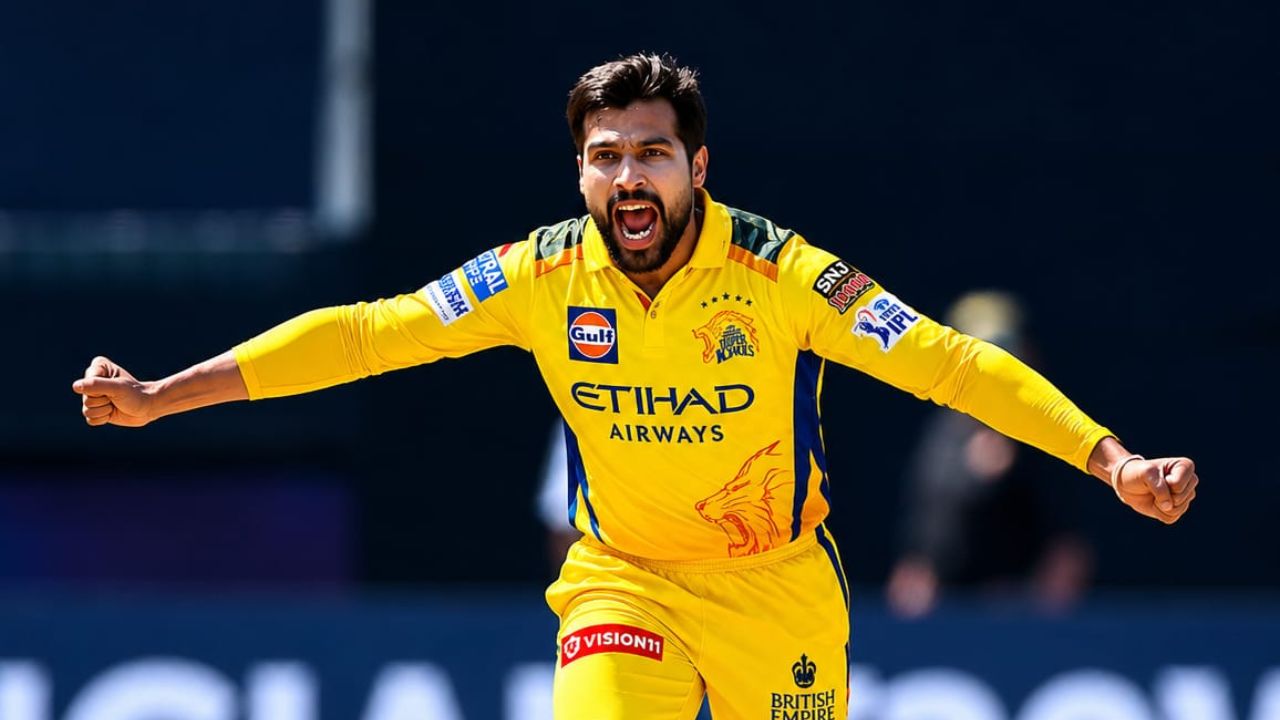
The recent announcement that Mohammad Amir has acquired British citizenship sent ripples of excitement throughout the global cricketing community. For many fans, this development immediately triggered speculation about the possibility of the seasoned left-arm pacer finally making his debut in the Indian Premier League (IPL). On the surface, the logic seems sound: a high-quality international performer now holding a passport that bypasses long-standing restrictions. However, the reality of the situation is far more complex, and despite his newfound eligibility, Mohammad Amir’s path to an IPL franchise remains effectively blocked.
While the prospect of seeing Amir bowl in the IPL is an intriguing thought experiment for enthusiasts, a closer look at the intersection of diplomacy, brand management, and the brutal requirements of professional T20 cricket reveals why an IPL contract for the veteran remains a bridge too far.
1. The Geopolitical and BCCI Stance
The primary hurdle remains the delicate relationship between the Board of Control for Cricket in India (BCCI) and the Pakistan Cricket Board (PCB). Since the 2008 Mumbai terror attacks, players holding Pakistani passports have been effectively barred from the IPL. While instances like Azhar Mahmood—who played in the IPL as a British passport holder—provide a historical precedent, the current geopolitical climate is markedly different and significantly more strained.
Amir’s situation is distinct from those who transitioned into the UK cricket system years ago. Having represented Pakistan as recently as the 2024 T20 World Cup and competing in the 2026 Pakistan Super League for Rawalpindi, his identity remains inextricably linked to Pakistan cricket. For the BCCI, permitting a player who is so recently and actively involved in the Pakistani national setup would be a diplomatic tightrope walk that the board is unlikely to undertake. The scrutiny surrounding such a decision would be immense, and the risks of political backlash far outweigh any potential sporting gain.
2. Reputation and Franchise Risk Management
Beyond the diplomatic landscape, IPL franchises are multibillion-dollar commercial entities that prioritize brand security. The risk of public and media backlash is a significant factor in player recruitment. Mohammad Amir’s career has been marked by high-profile controversies that continue to shadow his legacy in the minds of many Indian cricket fans.
Unlike Azhar Mahmood, who entered the league with a relatively quiet background, Amir is a polarizing figure. Franchise owners and sponsors are notoriously risk-averse when it comes to potential PR crises. Recent events, such as the backlash faced by Sunrisers Hyderabad’s sister franchise, Sunrisers Leeds, after signing Abrar Ahmed for The Hundred, illustrate how sensitive international cricket fans have become. Franchises understand that signing a player with a controversial past can jeopardize team chemistry, sponsorship deals, and fan sentiment, making Amir a high-risk investment that most teams would prefer to avoid.
3. The Sporting Reality: Age and Declining Form
Setting aside the political and social barriers, there is the objective matter of sporting merit. The IPL is widely regarded as the most competitive T20 tournament in the world, and it demands peak physical conditioning and consistent elite-level performance. By the time the next IPL cycle commences, Mohammad Amir will be 35 years old.
Franchises are increasingly moving toward younger, more dynamic talent capable of sustaining intensity throughout a long tournament. While Amir’s experience is undeniable, his recent performances in leagues such as the BPL or for the Trinbago Knight Riders in the CPL have been inconsistent. He is no longer the explosive pace bowler who once terrorized top-order lineups with raw speed. When you combine his age, the fact that he has stepped away from international cricket, and a lack of extraordinary output in other global leagues, the valuation of his skills diminishes significantly.
In a league where the competition for overseas slots is fierce, teams are looking for X-factors—players who are currently at the absolute zenith of their form. Unfortunately for Amir, his current trajectory does not align with the requirements of a league that prides itself on being the pinnacle of modern T20 cricket. Consequently, while the news of his citizenship is a major life milestone for the player, it is unlikely to serve as a gateway to the Indian Premier League.

Aarav Malhotra is a cricket features writer from Pune specializing in player biographies, IPL season stories, and emerging cricket talents. His content focuses on storytelling-driven sports journalism optimized for modern cricket audiences and search platforms.
More Stories