Why Pakistan’s Fast Bowlers Are Struggling to Maintain Pace: Umar Gul Explains

The Vanishing Velocity: An Analysis of Pakistan’s Pace Crisis
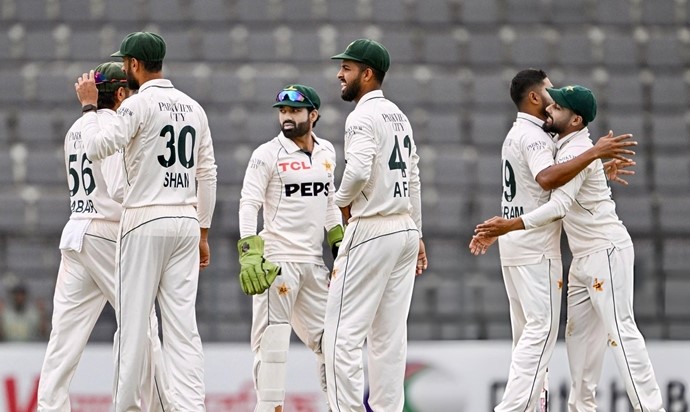
For decades, Pakistan cricket was synonymous with express pace. From the wizardry of Wasim Akram and the devastating reverse swing of Waqar Younis to the sheer raw speed of Shoaib Akhtar, the nation built a global reputation as a factory for high-velocity fast bowlers. However, in recent times, observers have noted a worrying trend: the current crop of Pakistani quicks seems to be struggling to consistently hit the 135 kph mark. As the team navigates a challenging period, former fast bowler and current coaching staff member Umar Gul has provided much-needed insight into this decline.
Addressing the Performance Dip
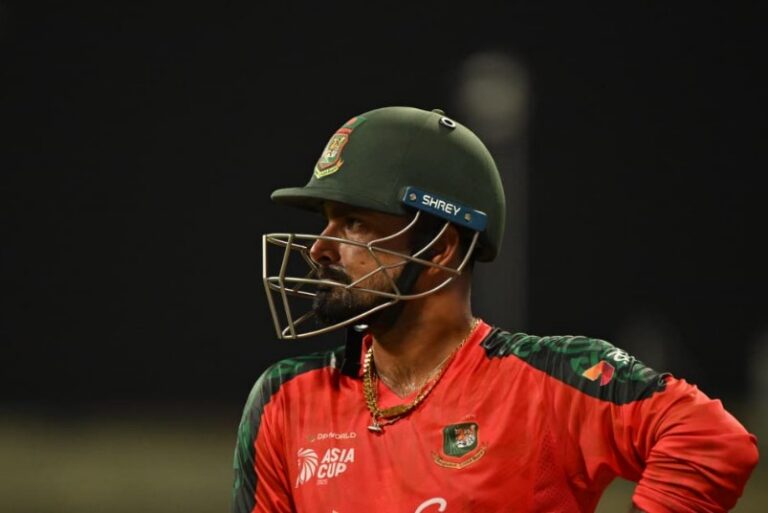
While the dip in pace has dominated headlines, Gul argues that the narrative should not ignore the quality of the opposition. According to him, the recent struggles are not purely a case of individual bowling failure. He suggests that the Bangladeshi batting lineup has performed exceptionally well, and a string of unfortunate moments—including missed reviews and dropped chances—has made the bowlers look far less effective than they truly are.
“Bangladeshi batters have batted really well. In some moments we were unlucky. We missed chances in reviews and couldn’t get Litton Das out. But that’s part of cricket. Sometimes luck is on your side, sometimes it isn’t. The bowlers tried hard, but the results didn’t go our way,” Gul stated, emphasizing that the team’s effort should not be overlooked despite the unfavorable scorelines.
The Red-Ball Rhythm Problem
When pressed on the issue of falling speeds, Gul strongly disagreed with the notion that this is a permanent decline. He highlighted a crucial distinction between formats, noting that several Pakistani bowlers still regularly clock 140 kph in white-ball cricket and the Pakistan Super League (PSL).
The root cause, he suggests, lies in the lack of consistent exposure to red-ball cricket. “We still have bowlers who can bowl 140 kph in PSL and ODI cricket. But in red-ball cricket, the pace drops a bit. We don’t play enough Test cricket these days. Because of that, bowling muscles and bowling memory don’t develop properly. Both mental and physical preparation are important,” Gul explained.
Preparation and External Factors
The transition from limited-overs cricket to the longest format is notoriously difficult, particularly when the schedule leaves little room for adaptation. Gul pointed out that the team had gone through a significant drought of red-ball action, with their last appearance in the format occurring back in October. A six-month hiatus creates a massive hurdle in maintaining the specific physical conditioning required for long spells of Test bowling.
Furthermore, environmental conditions played a non-trivial role. “After more than six months, we came back again. So maybe the pace looks slightly down, but the energy is still there. On top of that, the heat and humidity here also play a role,” he added.
The Need for Better Scheduling
Looking ahead, Gul admitted that the team’s preparation for the tour was far from ideal. While the coaching staff worked diligently with the players available in the camp, the tight international schedule, combined with domestic commitments like the PSL, meant that there was a lack of match practice prior to the series.
“Before any series, preparation in that format is important. But because of scheduling, PSL and other commitments, we worked with the players we had in camp. We didn’t get enough match practice after that,” Gul concluded. For Pakistan to reclaim its status as a world-class pace factory, it is clear that the focus must shift toward providing bowlers with more red-ball match scenarios and a structure that prioritizes long-form conditioning over sheer volume of white-ball cricket.

Vivaan Sharma is a senior cricket analyst based in Hyderabad known for his in-depth coverage of IPL strategy, bowling performance metrics, and advanced cricket statistics. He has worked with multiple sports media platforms to deliver analytical content for cricket fans and fantasy league followers.

More Stories